Friday, January 10, 2025

AiMeD calls for urgent action on overpriced imported medical devices to empower 'Make in India'


The Association of Indian Medical Device Industry (AiMeD) has called for stricter monitoring of the maximum retail price (MRP) of imported medical devices in India to ensure affordability for Indian consumers. In its pre-budget memorandum to the Finance Ministry, AiMeD highlighted that while the government’s efforts to reduce import duties on medical devices aim to lower costs, consumers are still paying 10 to 30 times the import landed price.

AiMeD has urged the government to withdraw concessional duty notifications that reduce import duties to 0 to 7.5%, advocating instead for a revised tariff structure of 5 to 15% on medical devices. According to Rajiv Nath, Forum Coordinator of AiMeD, such measures are necessary to promote domestic manufacturing and align with the “Make in India” initiative.

“Despite promises made in earlier Budget speeches, NIL and concessional duty exemptions continue to disadvantage Indian manufacturers, forcing many to turn into import traders. A predictable tariff policy with nominal protection is essential for fostering domestic production,” said Nath in a recent letter to Finance Minister Nirmala Sitharaman.

Challenges Facing Indian Manufacturers

India’s medical device industry has faced consistent challenges, including:

High Import Dependency: Over 70% of medical devices are imported, with imports exceeding Rs. 69,000 Crores in 2023-24—a 13% increase from the previous fiscal year.

Unfavorable Duty Structures: The current 0-7.5% basic import tariff, combined with GST benefits for importers, puts Indian manufacturers at a competitive disadvantage.

Manufacturing Disabilities: Indigenous manufacturers face a 12 to 15% cost disability due to factors like high infrastructure costs, limited R&D capabilities, and inadequate power supply.

AiMeD's Recommendations

To curb the growing reliance on imports and support domestic manufacturers, AiMeD has proposed the following measures:

Increase Import Tariffs: Raise basic import duties to 5-15% for finished devices and at least 5-7.5% for components.

Retain Low Duty on Raw Materials: Maintain a 2.5% concessional duty on raw materials and packaging for three more years to support local production.

Withdraw NIL Duty Notifications: Remove duty exemptions that undermine Indian manufacturing competitiveness.

Create a Favorable Ecosystem: Provide support similar to the mobile phone industry to nurture startups, MSMEs, and larger domestic manufacturers.

Impact on “Make in India”

AiMeD stressed that a robust domestic industry could adequately cater to the needs of India’s 1.4 billion population while reducing the country’s reliance on imports. The group emphasized that nominal tariff protection would incentivize manufacturers to expand capacity, enable exports, and create employment.

The association also pointed out the unintended consequences of the current duty structure. After the introduction of GST, imported devices became 11% cheaper, making it harder for domestic manufacturers to compete, especially in government tenders.

To address these disparities, AiMeD has requested the government to implement fair trade policies that protect ethical manufacturers and ensure medical security for India. By taking these steps, the government can not only strengthen India’s medical device industry but also make quality healthcare more accessible and affordable for its citizens.

AiMeD is an Umbrella Association of Indian Manufacturers of Medical Devices covering all types of Medical Devices including Consumables, Disposables, Equipments, Instruments, Electronics, Diagnostics and Implants.  With a Primary Membership of over 300 Manufacturers and additionally of over 200 Associate Members representing the interest of over 1200 Manufacturers of Medical Devices to address the manufacturer’s problems.

The aim behind forming AiMeD is  allow the Indian Government to access a single point of contact and provide various services to the manufacturers like Advocacy on policy issues, Information services, Regulations for Medical Devices, Education and Training, services, Testing Assistance and guidance for Quality Certification (ISO, CE, GMP), Lobbying for funding for R&D from the Government, encourage innovations from member units, Improve clinician and patient access to the modern, innovative and reliable Medical Device technologies through organizing and supporting Meeting, Seminars, Symposia, Exhibitions and Demonstrations and also, to promote global harmonization and respect for the  Indian Device Industry.


TechInvention partners with Ethiopia's Ministry of Health to advance vaccine manufacturing in Africa


In a significant step toward enhancing vaccine self-sufficiency and pandemic preparedness in Africa, TechInvention, an Indian biotech company, has entered into an agreement with Ethiopia's Ministry of Health. This initiative supports Ethiopia's goals under the African Union’s Agenda 2063 and the Partnership for African Vaccine Manufacturing (PAVM), both of which aim to strengthen healthcare systems and build resilience across the continent.

TechInvention will play a crucial role in this groundbreaking initiative by providing comprehensive technical and strategic support throughout the vaccine manufacturing project. This includes updating the feasibility study, developing the design of the manufacturing facility, conducting geotechnical investigations, and assessing environmental and social impacts. The company will also oversee the creation of technical specifications, prepare tender documents for contractor selection, develop bill of quantities, and offer support in product and process technology selection, acquisition, and transfer.

As part of its advisory role, TechInvention will guide the Ethiopian Ministry of Health and other stakeholders on project implementation, ensuring the development of a state-of-the-art vaccine manufacturing facility that adheres to international quality standards.

The official signing ceremony took place on December 26, 2024, in Addis Ababa, with Dr. Mekdes Daba, Minister of Health, Ethiopia, and Syed Ahmed, director and CEO of TechInvention, formalizing the agreement.

In her remarks, Dr. Mekdes Daba highlighted the strategic importance of local vaccine production, stating, "Producing vaccines locally is a key priority for ensuring the health of our population and for pandemic preparedness. This agreement signifies a major step for Ethiopia to produce vaccines locally, meeting not only international quality standards but also positioning Ethiopia as a supplier of vaccines to Africa and beyond. Preparations are already underway to begin construction and manufacturing in the coming months."

Syed Ahmed, director and CEO of TechInvention, expressed his enthusiasm for the partnership, "We are proud to collaborate with the Ministry of Health, Ethiopia, on this transformative initiative. By combining our technical expertise and experience, we are committed to supporting Ethiopia’s vaccine self-reliance and enhancing health security in Africa. This project will be a key step towards ensuring equitable access to vaccines across the continent."

TechInvention remains dedicated to advancing global health equity by empowering low- and middle-income countries (LMICs) to build robust healthcare infrastructures and establish sustainable vaccine manufacturing capabilities. This project represents a major step forward in promoting health security across Africa and contributing to the continent’s long-term pandemic preparedness.

TechInvention is an innovative biotech company that is committed to bringing greater health equity across the world and specially to LMICs. With a ‘One Health’ approach TechInvention has focused on making essential vaccines, diagnostics and biopharmaceuticals acceptable, affordable, and accessible in the developing world.

Techinvention offers expertise in project planning, project feasibility, technology licensing, WHO prequalification (PQ) support, design engineering, regulatory affairs, clinical research, and intellectual property (IP) support to pharmaceutical and biotech companies, governments, and investors, to make a difference to our shared world.


Wednesday, January 8, 2025

AIOCD raises concern over RailTel’s proposal to collaborate with online pharmacies


The All India Organization of Chemists and Druggists (AIOCD), representing over 12.40 lakh chemists and impacting the lives of more than 5 crore people across India, has strongly criticized the Ministry of Railways for endorsing what it calls "illegal online pharmacy operations." AIOCD has expressed deep concern over RailTel Corporation of India’s proposal to invite bids from online pharmacy platforms to facilitate doorstep medicine delivery.

In a joint statement, AIOCD President J.S. Shinde and General Secretary Rajiv Singhal asserted that the operation of e-pharmacies in India is unequivocally illegal. Referring to the Delhi High Court’s order dated December 12, 2018, the leaders highlighted that the court explicitly prohibited online pharmacy operations through its rulings in Dr. Zaheer Ahmad vs Union of India and South Chemists and Distributors Association vs Union of India. This prohibition remains in force, making RailTel’s proposal a blatant violation of the law.

RailTel's Proposal Raises Legal and Ethical Concerns

AIOCD pointed out that the Central Drugs Standard Control Organization (CDSCO) has admitted in its affidavit that the Drugs and Cosmetics Act, 1940, and its associated rules do not permit online pharmacy operations. The AIOCD stressed that as per the Act, the distribution of medicines is confined strictly to licensed premises, with door-to-door delivery allowed only under exceptional circumstances by local, registered pharmacies—not online platforms.

During the COVID-19 pandemic, the government had temporarily permitted door-delivery of medicines under strict conditions. However, AIOCD emphasized that this allowance was an emergency measure and should not be misinterpreted as a green light for the widespread operation of online pharmacies.

Public Health at Risk

“AIOCD is shocked and dismayed at RailTel Corporation’s disregard for legal norms and public health,” said Shinde and Singhal. They argued that online pharmacy platforms fail to adhere to critical regulations under Section 65 of the Drugs and Cosmetics Act, which mandates clear documentation of the prescriber’s signature, the seller’s name and address, and the date of delivery on prescriptions. These conditions make online pharmacy operations inherently non-compliant with Indian law.

AIOCD’s Stand and Call to Action

The AIOCD has demanded that RailTel Corporation withdraw its proposal immediately, warning that this initiative undermines the pharmaceutical sector and endangers public health. “This proposal is tantamount to circumventing the laws of our country and jeopardizing the safety of millions,” said Shinde.

Reaffirming its commitment to safeguarding the interests of citizens and the pharmaceutical sector, the AIOCD has called on the government to revoke its notification allowing limited door-delivery of medicines and take stringent action against any entities promoting illegal practices.

“Our organization stands united to protect public health and uphold the laws of the nation. We hope this decision was not made intentionally but urge RailTel to reconsider and act in the best interest of the country,” Shinde concluded.

Tuesday, January 7, 2025

Regulatory limbo surrounds methylcobalamin as union health ministry’s decision remains unofficial


The Union Ministry of Health’s decision to lift the ban on methylcobalamin, a critical Vitamin B12 derivative, has yet to be formalized, leaving its regulatory status in limbo despite scientific backing and growing demand for its use in treating conditions such as diabetic neuropathy. While the Government of India’s Scientific Committee approved the molecule's safety in 2019, the necessary gazette notification to officially lift the ban is still pending, raising concerns among health professionals and industry stakeholders.

Dr. Sanjay Agrawal, Scientific Advisor at Alkomex GBN USA has criticized the delay in formalizing the decision, highlighting the growing gap between regulatory approval and practical availability.

“Methylcobalamin is internationally recognized for its safety and efficacy, particularly in treating diabetic neuropathy. The molecule has been approved by the US FDA and is listed in the US Pharmacopoeia. Despite this, the Ministry of Health’s decision to lift the ban in 2021 has not been formalized through a gazette notification, leaving the regulatory framework unclear,” Dr. Agrawal stated.

The lifting of the ban was initially announced in 2021 following a thorough review by the Government of India’s Scientific Committee, which confirmed methylcobalamin’s safety profile. However, experts, including Dr. Agrawal, warn that the lack of formal notification creates uncertainty in the marketplace, affecting both manufacturers and consumers who rely on this vital nutrient for various health conditions, including diabetic neuropathy and neurological disorders.

Methylcobalamin has been lauded for its role in managing conditions such as diabetic neuropathy, where its neuroprotective properties help reduce nerve damage and alleviate pain. Despite its approval in other countries, including the US, where it is widely used as a dietary supplement, its delayed entry into the Indian market raises concerns among patients and healthcare providers.

The FSSAI's regulatory framework surrounding Vitamin B12 sources, including methylcobalamin, has also faced criticism for its lack of clear enforcement mechanisms. The FSSAI’s response to the Union Health Ministry outlined the legal framework for methylcobalamin, allowing its use under certain conditions. However, public grievances persist, particularly about the absence of a robust enforcement system and the potential for products exceeding safe limits of Vitamin B12 in the market.

Dr. Agrawal expressed frustration over the FSSAI’s response, noting that while the decision to allow methylcobalamin’s use under the 2022 amendment to the Food Safety and Standards regulations was a step forward, the absence of clear and enforceable regulations only adds to the confusion. “The delay in formalizing the lifting of the ban, combined with the lack of clear enforcement guidelines, leaves consumers vulnerable to substandard products,” Dr. Agrawal emphasized.

Health experts and consumer advocacy groups have called for urgent action to formalize the lifting of the ban and introduce comprehensive regulatory mechanisms for methylcobalamin. They stress the need for market surveillance, rigorous safety evaluations, and clear labeling to protect consumers.

As the debate continues, it remains to be seen whether the Union Health Ministry and FSSAI will take decisive steps to resolve the regulatory uncertainty surrounding methylcobalamin, ensuring that this essential nutrient can reach the market safely and effectively.


SunAct Cancer Institute ties up with Singapore’s CytoMed for Phase 2 Clinical Trials on innovative Gamma Delta T-Cell Cancer therapy in India


SunAct Cancer Institute is excited to announce the start of Phase 2 clinical trials on a groundbreaking treatment called Gamma Delta T-cell therapy. This trial, conducted in collaboration with CytoMed, Singapore, aims to bring hope to patients with difficult-to-treat cancers such as brain cancer, breast cancer, lung cancer, cervical cancer, colon cancer, renal cancer, liver cancer, lymph node cancer  and several others.

This is a cutting-edge cancer treatment that uses special immune cells called Gamma Delta T-Cells. These cells naturally fight cancer while protecting the healthy tissue. What makes this treatment unique is that it uses ready-made cells from donors, making it faster, easier, and less expensive compared to traditional therapies.

This trial marks a major collaboration between SunAct Cancer Institute in India and CytoMed, a leader in cancer treatments from Singapore. Together, they aim to offer world-class cancer care to patients in India.

SunAct stands out for world-class collaboration. It has partnership with CytoMed ensures access to advanced cancer treatment research.

It is focused on solid tumors. This trial tackles solid tumors, which are harder to treat compared to blood cancers. It offers accessible treatments. SunAct is committed to bringing advanced therapies to patients across India. It has an expert team.  SunAct’s top oncologists and researchers work to turn scientific discoveries into real-life treatments.

 “Our goal is to provide advanced and affordable cancer treatments to patients in India,” said Dr. (Prof) Vijay Patil, Founder of SunAct Cancer Institute. “Gamma Delta T-Cell therapy is a promising solution for solid tumors, and through this collaboration with CytoMed, we hope to improve the lives of many cancer patients,” he added.

CytoMed’s Chairman Peter Choo said, “CytoMed’s collaboration with SunAct is timely and complements our core focus of harnessing CytoMed’s proprietary off-the-shelf technologies to develop novel donor-derived cell-based allogenic immunotherapies for the treatment of various cancers at affordable cost. We are aligned with the foresight of our partner SunAct to provide affordable no-option cancer therapeutics and are excited to work with Dr. Vijay Patil in our strive to accelerate the therapeutic application of CytoMed’s patented allogenic gamma delta T-Cells in, an increasing population of cancer patients in India and around the world.”

The trial will begin in early 2025, and patients will soon be able to enroll. All candidates will be carefully screened to ensure safety. For more information about the trial and how to enroll, please contact +91 86553 13412.

SunAct Cancer Institute is a leading center for advanced cancer research and treatment. By combining innovation and excellence, the institute aims to transform cancer care in India and beyond.

CytoMed, based in Singapore, specializes in cellular therapies for cancer and immune disorders. Their cutting-edge technology places them at the forefront of cancer treatment innovation.


CRIUS Group emerges as India’s first CMO to adopt 100% AI-based project implementation


In a groundbreaking milestone for the global pharma industry, CRIUS Group has emerged as India’s first contract manufacturing organization (CMO) to adopt 100% AI-based project implementation. This transformative move leverages the NutrifyGenie Integrated AI platform, marking a world-first achievement in contract manufacturing and heralding a new era of innovation.

CRIUS Lifesciences, led by its visionary pharmacist-founder, Subba Rao Chinni, seized the opportunity to execute this AI-designed project. NutrifyGenie AI, a leading AI-driven platform, was integral in designing scientifically differentiated formulations for a multinational client. Beyond formulation, the platform mapped sourcing and development and identified contract manufacturers best suited to execute the project.

AI adoption is rapidly reshaping the contract manufacturing landscape. Studies suggest CMOs leveraging AI can achieve 40-50% process optimization, resulting in shorter manufacturing cycles, reduced waste, and lower production costs. Platforms like NutrifyGenie AI, Ingredients AI, and Pathway Formulator lead the charge, with NutrifyGenie distinguished by its peer-reviewed, high-impact research formulations.

Beyond its core functionalities, NutrifyGenie also supports businesses in accelerating their go-to-market strategies by 200%, fostering innovation in ingredient discovery and safety analysis through its proprietary databank of 3.6 million curated scientific data points.

Speaking about this achievement, Subba Rao highlighted the company’s pharma-based principles as its cornerstone for delivering quality production. "As a pharmacist owning a pharmaceutical plant, I’ve applied the same stringent principles to our nutraceutical facility. The integration of NutrifyGenie AI has been transformative, allowing us to focus on our world-class manufacturing strengths while AI manages the complexities of formulation, sourcing, and regulatory compliance."

The NutrifyGenie platform automates product design, ideation, sourcing, and regulatory processes, enabling CRIUS to shift its focus to process innovation and rapid production. "Winning business based on quality, rather than extensive sales and marketing, frees our bandwidth to innovate and ensure speed in manufacturing," added Subba Rao.

In addition to optimizing processes, NutrifyGenie builds bridges between academia, industry, and government, creating an ecosystem conducive to collaboration. Its impact-driven approach enables businesses to navigate regulatory complexities, ensuring faster and safer product commercialization globally.

CRIUS Group plans further investments to establish India’s most automated, innovative, and AI-powered contract manufacturing facility. "Curated AI engines is the future. After evaluating various solutions, we chose NutrifyGenie for its ability to streamline processes and handle end-to-end project execution," said Subba Rao.

As CRIUS Group sets a benchmark, the industry watches with keen interest. NutrifyGenie AI has proven that the fusion of technology and manufacturing can achieve new heights in efficiency and innovation. For contract manufacturers worldwide, the message is clear: AI isn’t just a tool for optimization—it’s the key to staying ahead in a rapidly evolving industry.

The Nutrify Today platform further amplifies this transformation by delivering measurable outcomes like higher ROI and expanded market access. With AI-driven innovations like NutrifyGenie, CRIUS is not just leading but setting benchmarks in responsible manufacturing practices, aligning with global health and sustainability goals.


RNT Health Insights receives second US FDA breakthrough device designation for Esophageal Cancer detection tool


RNT Health Insights, a Chandigarh-based health-tech startup specializing in AI-assisted diagnostic solutions for the accurate detection of pathologies during endoscopic procedures, has been granted its second US FDA Breakthrough Device Designation for its Esophageal Cancer detection tool. This tool aids gastroenterologists in the real-time detection and identification of early-stage and advanced esophageal cancers during standard white-light upper GI endoscopy procedures.

RNT Health Insights is leading the way in the early detection of Gastrointestinal cancers through cutting-edge AI technology and facilitating timely intervention.

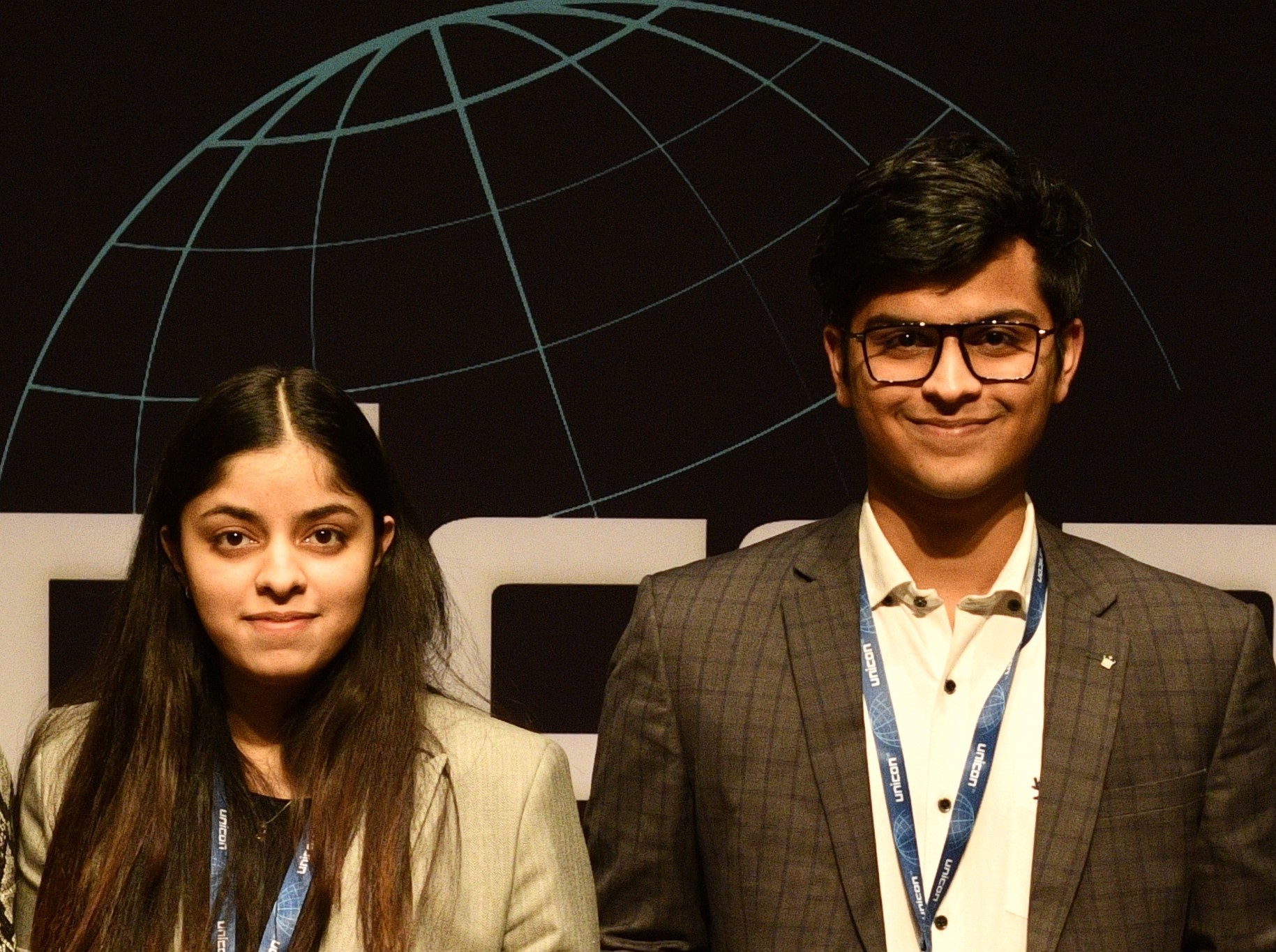
“Receiving this second breakthrough designation from the FDA marks a significant milestone in our journey to transform gastroenterological diagnostics. It propels us forward, enabling quicker integration of our cutting-edge technologies into clinical practice, which is vital for saving lives through early detection, said Ria Khurana, Co-founder of RNT Health Insights.

Esophageal cancer is the fourth leading cause of cancer-related deaths in India, and the sixth leading cause of cancer-related deaths worldwide, claiming over 540,000 lives annually. Its prognosis is notably poor, with a five-year survival rate of less than 20%. This is primarily due to the associated high miss rate of detection during early stages and attributed to the fact that it is almost always detected at an advanced stage.

The second US FDA Breakthrough Device Designation recognition highlights RNT Health Insights’ dedication to advancing the field of gastrointestinal diagnostics through the development of innovative solutions, catering to more accurate detection of early-stage pathologies.

RNT Health Insights’ tool effectively aids in detecting subtypes such as adenocarcinoma, and dysplasia associated with Barrett's esophagus. While not intended to replace clinical decision-making, this technology integrates into existing clinical workflows, ensuring endoscopists can maintain full control over decision-making while benefiting from enhanced diagnostic support. This tool intends to greatly improve the accuracy of detection of early-stage lesions, reducing the missed detection rate thereby significantly improving patient outcomes.

Tanmaya Gulati, Co-founder of RNT Health Insights, added, “This designation not only validates the effectiveness of our technology but also accelerates the pathway to its adoption in clinical settings. Our goal is to ensure that our diagnostic solutions reach as many healthcare providers as possible, enhancing their ability to diagnose and treat gastrointestinal cancers early”.

The US FDA Breakthrough Devices Program fosters the development of innovative medical technologies that address life-threatening or debilitating conditions by providing expedited regulatory review and development pathways. Already a part of the program for its Early Gastric Cancer detection technology, RNT Health Insights has now strengthened its position with a second inclusion for its esophageal cancer detection technology. This designation provides prioritized interaction with the FDA and streamlined approval processes, enabling faster access to groundbreaking diagnostic tools for clinicians and patients alike. With this designation, the company intends to accelerate timelines for approval and market access and gain access to early feedback and support from patient advocacy groups and payor organizations for early coverage.

Research underscores that early and accurate detection significantly improves survival outcomes; in some cases, the 5-year prognosis can improve to 90%. Despite advances in endoscopic technologies, early-stage detection of esophageal cancer is challenging, with studies indicating that up to 25% of esophageal cancer-related pathologies may be missed during routine endoscopic procedures.


Fortis Hospitals Mumbai launches unified emergency number (022-4111 4111) for life-saving medical care


With a robust ambulatory network supporting the initiative, Fortis ensures that help is always just a call away, providing prompt, reliable, and life-saving medical care across Greater Mumbai.

Fortis Hospitals in Mumbai has introduced a unified 24/7 emergency helpline, making it easier for Mumbaikars to access emergency medical care when every second counts. By simply dialing 022-4111 4111, residents can quickly connect with their nearest Fortis Hospital in Mumbai enabling rapid access to Fortis’ level 1 trauma centers. This streamlined access to expert care aims to reduce treatment delays, ultimately leading to better patient outcomes.

With a robust ambulatory network supporting the initiative, Fortis ensures that help is always just a call away, providing prompt, reliable, and life-saving medical care across Greater Mumbai.

Fortis Hospitals' approach goes beyond providing medical services; it's about building a deep sense of trust among Mumbaikars, ensuring they know exactly where to turn when faced with a medical emergency. In an effort to connect with people of all ages, Fortis has introduced India’s first CGI-based digital ads in the healthcare sector, bringing a fresh and innovative approach to emergency care awareness. These digital ads are designed to capture attention and spark important conversations, making it easier for the public to remember the critical emergency number—022-4111 4111.

The #FirstCallFortis campaign being rolled out across multiple platforms—cinema theatres, shopping malls, bus shelters, hoardings, and digital mediums—throughout Mumbai. Citizens can simply call the helpline (022-4111 4111), and Fortis will ensure that the nearest network hospital within a 5-7Km radius swiftly responds, delivering expert care in critical moments when it matters most. This initiative brings the promise of Fortis’ trusted, timely medical expertise directly to the heart of the city, ensuring that help is always just a call away.

Talking about the launch, Dr. S. Narayani, business head-Fortis Hospitals Maharashtra, said, “Through the #FirstCallFortis campaign, we are showcasing not just our capabilities of being the largest emergency-prepared healthcare network in Greater Mumbai, but also the convenience of reaching out to us with an easy-to-remember number in time of a medical emergency. With an expansive network of four state-of-the-art hospitals across the MMR region, we are prepared to tackle emergencies of all nature, this integrated campaign hopes to get 022-4111 4111 on the speed dial of all Mumbaikars.”

The campaign’s integrated approach, which spans across multiple touchpoints, aims to reach 10lakh+ households by World Health Day on April 7th, 2025. The focus will be on spreading the critical message of emergency preparedness, making sure that every Mumbaikar knows the importance of being prepared and has the right number at hand when every second counts.

Fortis Healthcare Limited – an IHH Healthcare Berhad Company – is a leading integrated healthcare services provider in India. It is one of the largest healthcare organizations in the country with 27 healthcare facilities, 4,300 operational beds and 400 diagnostics centers (including JVs). Fortis is present in India, United Arab Emirates (UAE), Nepal & Sri Lanka. The Company is listed on the BSE Ltd and National Stock Exchange (NSE) of India.

Friday, January 3, 2025

Changing Lives Through Hearing: Dr. Christopher E. de Souza, ENT Surgeon at Lilavati Hospital on Cochlear Implants for Impoverished Children


For children in rural Maharashtra, hearing impairments pose significant challenges to education, communication, and integration into society. Dr. Christopher E. de Souza, a renowned Ear, Nose and Throat (ENT) Surgeon at Lilavati Hospital, Mumbai has dedicated his efforts to addressing these challenges, bringing hope to families who might otherwise have no recourse.

“Children from the rural areas of Maharashtra today suffer from a spectrum of hearing problems. Cochlear implants have come to their help, but they are very costly and beyond their means. Therefore, we help children who are born into impoverished families,” Dr. de Souza shared.

The High Cost of Restoring Hearing

A cochlear implant costs at least Rs. 6.5 lakhs, with an additional Rs. 1 lakh required for hospitalisation and associated care. Recognising the financial barriers, Lilavati Hospital has created a program that relies on donor contributions to fund these life-changing procedures.

“Lilavati Hospital wishes to give back to society with the help of donors who have donated generously. As a result, surgeries have been performed excellently, and hospitalisation has been taken care of with the help of donors,” Dr. de Souza explained.

A Transformational Journey for the Nation’s Future

For over two decades, Lilavati Hospital has successfully performed cochlear implant surgeries, enabling children to hear clearly and acquire speech and language skills.

“The purpose of inserting these devices is to allow children to hear clearly, acquire speech and language, and join schools for normal children with normal hearing. The ideology and philosophy behind this is to change the fabric of society and so the destiny of a nation,” Dr. de Souza said passionately. Today’s child receiving an implant may become a leader tomorrow with the power to change society for the better.”

The Role of Technology and Rehabilitation

While cochlear implants are transformative, they are mechanical devices that can occasionally malfunction. Proper rehabilitation is crucial to ensuring successful outcomes.

“It is important to make sure that children go through the rehabilitation process. This model can be replicated using a hub-and-spoke system, and we have reached children not only across India but also from countries like Africa and Bangladesh,” he added.

The Impact of Generosity and Commitment

Dr. de Souza emphasised that the remarkable progress achieved so far has been made possible by the hospital’s commitment and the generosity of donors. With no significant side effects or adverse events reported, cochlear implants are proving to be the device of the future in restoring hearing completely.

As Lilavati Hospital continues to lead the way in transforming lives, its work not only changes individual destinies but also strengthens the foundation of a more inclusive and empowered society. “Together, we are building a future where no child is held back by the inability to hear,” Dr. de Souza concluded.


Wednesday, January 1, 2025

Superspeciality Lens Symposium 2024 brings global experts to Mumbai


The Superspeciality Lens Symposium 2024, which recently concluded in Mumbai, emerged as a groundbreaking event in the field of ophthalmology and optometry, bringing together international luminaries and thought leaders to share insights into cutting-edge advancements in vision care.

With stellar contributions from global experts such as Dr. Cary Herzberg (USA), Dr. Damon Ezekiel (Australia), Dr. Nitesh Barot (UK), and Gary Mikaelian (USA), the symposium provided a comprehensive overview of the latest developments in super-speciality lenses designed to address complex conditions like keratoconus, ocular surface disorders, and innovative solutions for cataract surgeries.

One of the key highlights of the event was a debate featuring renowned experts Dr. Himanshu Mehta, Dr. Keiki Mehta, Dr. Jay Goyal, Dr. Usha Johari, Dr. Quresh Maskati, and Dr. Shirish Thorat centered on cutting-edge approaches like ICSC vs. Phaco EDOF vs. Trifocal lenses, pushing the boundaries of cataract surgery techniques.

Entod Pharma CEO Nikkhil Masurkar delivered an impactful talk on emerging technologies in Myopia Control and Presbyopia Management, further enriching the discussions.

The event also featured exceptional presentations by Dr. Namrata Kabra, Dr. Neha Dholakia, Dr. Khatib Jain, Dr. Nishant Tambe, and Chandrashekhar Chawan showcased the latest techniques in scleral lenses and corneal management.

The hands-on workshop on BostenSight Sclerals, led by Sandeep Reddy, stood out as a favorite among attendees. There were lively debates on Scleral vs. RGP lenses and RGP vs. Soft Contact Lenses saw active participation from experts like Yeshwant Saoji, Irene Sophia, and Madhavi Panchamia.

The prestigious Dr. B T Maskati Memorial Award was presented to Padmashree Dr. Keiki Mehta, Dr. Kirit Modi, Dr. Rumi Jehangir, and Dr. B T Shah for their outstanding contributions to the field.

Adding a unique touch to the event, SmitShree Productions, led by Smita Chawan and Shreeya Chawan, presented the captivating Music4Vision program, with soulful performances by Anand Menon, and a fashion show curated by Rajesh Gamare.

The event was hosted by Sagar Aharwal and drew participation from luminaries like Optometrists Priti Mistry, Kunda Ganatra, Preetha Ramprasat, and Hetal Mistry, alongside students from ITM College.A standing ovation was given to Dr. Chandrashekhar Chawan from https://www.shekhareye.in for his visionary leadership in organizing this prestigious event. Special thanks were delivered to Dr. Quresh Maskati for his collaborative efforts in making the symposium a success.

(Source - Pharmabiz)