Tuesday, January 7, 2025

RNT Health Insights receives second US FDA breakthrough device designation for Esophageal Cancer detection tool


RNT Health Insights, a Chandigarh-based health-tech startup specializing in AI-assisted diagnostic solutions for the accurate detection of pathologies during endoscopic procedures, has been granted its second US FDA Breakthrough Device Designation for its Esophageal Cancer detection tool. This tool aids gastroenterologists in the real-time detection and identification of early-stage and advanced esophageal cancers during standard white-light upper GI endoscopy procedures.

RNT Health Insights is leading the way in the early detection of Gastrointestinal cancers through cutting-edge AI technology and facilitating timely intervention.

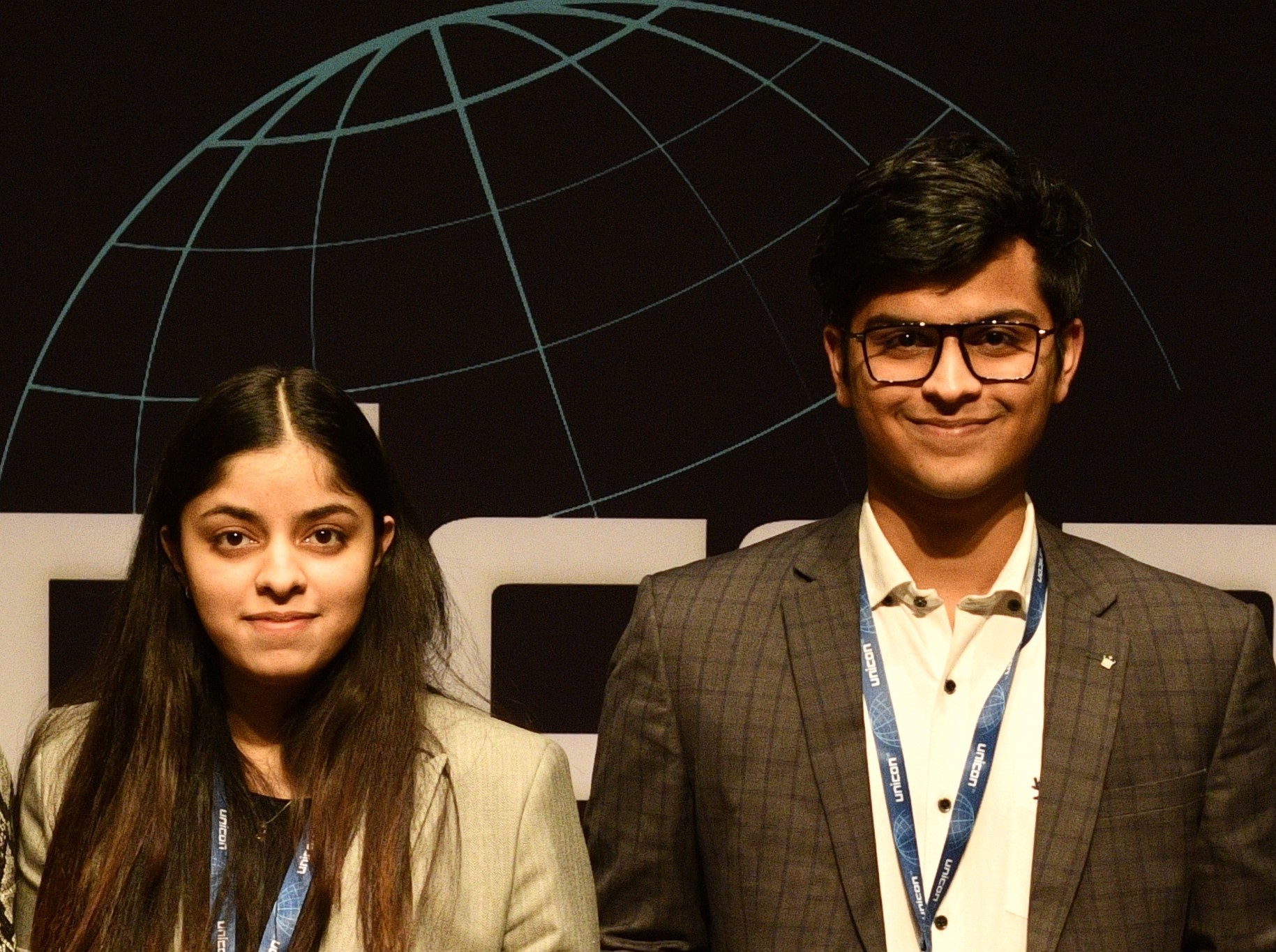
“Receiving this second breakthrough designation from the FDA marks a significant milestone in our journey to transform gastroenterological diagnostics. It propels us forward, enabling quicker integration of our cutting-edge technologies into clinical practice, which is vital for saving lives through early detection, said Ria Khurana, Co-founder of RNT Health Insights.

Esophageal cancer is the fourth leading cause of cancer-related deaths in India, and the sixth leading cause of cancer-related deaths worldwide, claiming over 540,000 lives annually. Its prognosis is notably poor, with a five-year survival rate of less than 20%. This is primarily due to the associated high miss rate of detection during early stages and attributed to the fact that it is almost always detected at an advanced stage.

The second US FDA Breakthrough Device Designation recognition highlights RNT Health Insights’ dedication to advancing the field of gastrointestinal diagnostics through the development of innovative solutions, catering to more accurate detection of early-stage pathologies.

RNT Health Insights’ tool effectively aids in detecting subtypes such as adenocarcinoma, and dysplasia associated with Barrett's esophagus. While not intended to replace clinical decision-making, this technology integrates into existing clinical workflows, ensuring endoscopists can maintain full control over decision-making while benefiting from enhanced diagnostic support. This tool intends to greatly improve the accuracy of detection of early-stage lesions, reducing the missed detection rate thereby significantly improving patient outcomes.

Tanmaya Gulati, Co-founder of RNT Health Insights, added, “This designation not only validates the effectiveness of our technology but also accelerates the pathway to its adoption in clinical settings. Our goal is to ensure that our diagnostic solutions reach as many healthcare providers as possible, enhancing their ability to diagnose and treat gastrointestinal cancers early”.

The US FDA Breakthrough Devices Program fosters the development of innovative medical technologies that address life-threatening or debilitating conditions by providing expedited regulatory review and development pathways. Already a part of the program for its Early Gastric Cancer detection technology, RNT Health Insights has now strengthened its position with a second inclusion for its esophageal cancer detection technology. This designation provides prioritized interaction with the FDA and streamlined approval processes, enabling faster access to groundbreaking diagnostic tools for clinicians and patients alike. With this designation, the company intends to accelerate timelines for approval and market access and gain access to early feedback and support from patient advocacy groups and payor organizations for early coverage.

Research underscores that early and accurate detection significantly improves survival outcomes; in some cases, the 5-year prognosis can improve to 90%. Despite advances in endoscopic technologies, early-stage detection of esophageal cancer is challenging, with studies indicating that up to 25% of esophageal cancer-related pathologies may be missed during routine endoscopic procedures.


Fortis Hospitals Mumbai launches unified emergency number (022-4111 4111) for life-saving medical care


With a robust ambulatory network supporting the initiative, Fortis ensures that help is always just a call away, providing prompt, reliable, and life-saving medical care across Greater Mumbai.

Fortis Hospitals in Mumbai has introduced a unified 24/7 emergency helpline, making it easier for Mumbaikars to access emergency medical care when every second counts. By simply dialing 022-4111 4111, residents can quickly connect with their nearest Fortis Hospital in Mumbai enabling rapid access to Fortis’ level 1 trauma centers. This streamlined access to expert care aims to reduce treatment delays, ultimately leading to better patient outcomes.

With a robust ambulatory network supporting the initiative, Fortis ensures that help is always just a call away, providing prompt, reliable, and life-saving medical care across Greater Mumbai.

Fortis Hospitals' approach goes beyond providing medical services; it's about building a deep sense of trust among Mumbaikars, ensuring they know exactly where to turn when faced with a medical emergency. In an effort to connect with people of all ages, Fortis has introduced India’s first CGI-based digital ads in the healthcare sector, bringing a fresh and innovative approach to emergency care awareness. These digital ads are designed to capture attention and spark important conversations, making it easier for the public to remember the critical emergency number—022-4111 4111.

The #FirstCallFortis campaign being rolled out across multiple platforms—cinema theatres, shopping malls, bus shelters, hoardings, and digital mediums—throughout Mumbai. Citizens can simply call the helpline (022-4111 4111), and Fortis will ensure that the nearest network hospital within a 5-7Km radius swiftly responds, delivering expert care in critical moments when it matters most. This initiative brings the promise of Fortis’ trusted, timely medical expertise directly to the heart of the city, ensuring that help is always just a call away.

Talking about the launch, Dr. S. Narayani, business head-Fortis Hospitals Maharashtra, said, “Through the #FirstCallFortis campaign, we are showcasing not just our capabilities of being the largest emergency-prepared healthcare network in Greater Mumbai, but also the convenience of reaching out to us with an easy-to-remember number in time of a medical emergency. With an expansive network of four state-of-the-art hospitals across the MMR region, we are prepared to tackle emergencies of all nature, this integrated campaign hopes to get 022-4111 4111 on the speed dial of all Mumbaikars.”

The campaign’s integrated approach, which spans across multiple touchpoints, aims to reach 10lakh+ households by World Health Day on April 7th, 2025. The focus will be on spreading the critical message of emergency preparedness, making sure that every Mumbaikar knows the importance of being prepared and has the right number at hand when every second counts.

Fortis Healthcare Limited – an IHH Healthcare Berhad Company – is a leading integrated healthcare services provider in India. It is one of the largest healthcare organizations in the country with 27 healthcare facilities, 4,300 operational beds and 400 diagnostics centers (including JVs). Fortis is present in India, United Arab Emirates (UAE), Nepal & Sri Lanka. The Company is listed on the BSE Ltd and National Stock Exchange (NSE) of India.

Friday, January 3, 2025

Changing Lives Through Hearing: Dr. Christopher E. de Souza, ENT Surgeon at Lilavati Hospital on Cochlear Implants for Impoverished Children


For children in rural Maharashtra, hearing impairments pose significant challenges to education, communication, and integration into society. Dr. Christopher E. de Souza, a renowned Ear, Nose and Throat (ENT) Surgeon at Lilavati Hospital, Mumbai has dedicated his efforts to addressing these challenges, bringing hope to families who might otherwise have no recourse.

“Children from the rural areas of Maharashtra today suffer from a spectrum of hearing problems. Cochlear implants have come to their help, but they are very costly and beyond their means. Therefore, we help children who are born into impoverished families,” Dr. de Souza shared.

The High Cost of Restoring Hearing

A cochlear implant costs at least Rs. 6.5 lakhs, with an additional Rs. 1 lakh required for hospitalisation and associated care. Recognising the financial barriers, Lilavati Hospital has created a program that relies on donor contributions to fund these life-changing procedures.

“Lilavati Hospital wishes to give back to society with the help of donors who have donated generously. As a result, surgeries have been performed excellently, and hospitalisation has been taken care of with the help of donors,” Dr. de Souza explained.

A Transformational Journey for the Nation’s Future

For over two decades, Lilavati Hospital has successfully performed cochlear implant surgeries, enabling children to hear clearly and acquire speech and language skills.

“The purpose of inserting these devices is to allow children to hear clearly, acquire speech and language, and join schools for normal children with normal hearing. The ideology and philosophy behind this is to change the fabric of society and so the destiny of a nation,” Dr. de Souza said passionately. Today’s child receiving an implant may become a leader tomorrow with the power to change society for the better.”

The Role of Technology and Rehabilitation

While cochlear implants are transformative, they are mechanical devices that can occasionally malfunction. Proper rehabilitation is crucial to ensuring successful outcomes.

“It is important to make sure that children go through the rehabilitation process. This model can be replicated using a hub-and-spoke system, and we have reached children not only across India but also from countries like Africa and Bangladesh,” he added.

The Impact of Generosity and Commitment

Dr. de Souza emphasised that the remarkable progress achieved so far has been made possible by the hospital’s commitment and the generosity of donors. With no significant side effects or adverse events reported, cochlear implants are proving to be the device of the future in restoring hearing completely.

As Lilavati Hospital continues to lead the way in transforming lives, its work not only changes individual destinies but also strengthens the foundation of a more inclusive and empowered society. “Together, we are building a future where no child is held back by the inability to hear,” Dr. de Souza concluded.


Wednesday, January 1, 2025

Superspeciality Lens Symposium 2024 brings global experts to Mumbai


The Superspeciality Lens Symposium 2024, which recently concluded in Mumbai, emerged as a groundbreaking event in the field of ophthalmology and optometry, bringing together international luminaries and thought leaders to share insights into cutting-edge advancements in vision care.

With stellar contributions from global experts such as Dr. Cary Herzberg (USA), Dr. Damon Ezekiel (Australia), Dr. Nitesh Barot (UK), and Gary Mikaelian (USA), the symposium provided a comprehensive overview of the latest developments in super-speciality lenses designed to address complex conditions like keratoconus, ocular surface disorders, and innovative solutions for cataract surgeries.

One of the key highlights of the event was a debate featuring renowned experts Dr. Himanshu Mehta, Dr. Keiki Mehta, Dr. Jay Goyal, Dr. Usha Johari, Dr. Quresh Maskati, and Dr. Shirish Thorat centered on cutting-edge approaches like ICSC vs. Phaco EDOF vs. Trifocal lenses, pushing the boundaries of cataract surgery techniques.

Entod Pharma CEO Nikkhil Masurkar delivered an impactful talk on emerging technologies in Myopia Control and Presbyopia Management, further enriching the discussions.

The event also featured exceptional presentations by Dr. Namrata Kabra, Dr. Neha Dholakia, Dr. Khatib Jain, Dr. Nishant Tambe, and Chandrashekhar Chawan showcased the latest techniques in scleral lenses and corneal management.

The hands-on workshop on BostenSight Sclerals, led by Sandeep Reddy, stood out as a favorite among attendees. There were lively debates on Scleral vs. RGP lenses and RGP vs. Soft Contact Lenses saw active participation from experts like Yeshwant Saoji, Irene Sophia, and Madhavi Panchamia.

The prestigious Dr. B T Maskati Memorial Award was presented to Padmashree Dr. Keiki Mehta, Dr. Kirit Modi, Dr. Rumi Jehangir, and Dr. B T Shah for their outstanding contributions to the field.

Adding a unique touch to the event, SmitShree Productions, led by Smita Chawan and Shreeya Chawan, presented the captivating Music4Vision program, with soulful performances by Anand Menon, and a fashion show curated by Rajesh Gamare.

The event was hosted by Sagar Aharwal and drew participation from luminaries like Optometrists Priti Mistry, Kunda Ganatra, Preetha Ramprasat, and Hetal Mistry, alongside students from ITM College.A standing ovation was given to Dr. Chandrashekhar Chawan from https://www.shekhareye.in for his visionary leadership in organizing this prestigious event. Special thanks were delivered to Dr. Quresh Maskati for his collaborative efforts in making the symposium a success.

(Source - Pharmabiz)


Monday, December 23, 2024

Bhaskar Tare, Director of Gloocal Communications, honoured with Pride of Spandan Award 2024


Bhaskar Tare, Director of Gloocal Communications, was honored with the prestigious "Pride of Spandan Award 2024" in recognition of his remarkable two-decade journey in the field of public relations. Known for his expertise in reputation management, Mr. Tare has also been a beacon of hope for countless needy patients, providing them with guidance, direction, and financial assistance through available CSR resources. The state-level ceremony took place in Karad, a city celebrated as the birthplace of Maharashtra's first Chief Minister, Yashwantrao Chavan.

The award was presented to Mr. Tare by Dr. Nilkanth Dharsewar Maharaj and Mr. Mangesh Chivate, former head of the Chief Minister's Relief Fund. The ceremony was graced by eminent dignitaries, including Dr. Sandip Dakve, President of Spandan Charitable Trust; journalists Bhimrao Dhulap and Gajanan Tupe; and renowned singer Kavita Ram.

A trailblazer in the field of public relations, Bhaskar Tare embarked on his professional journey in 2005. Over the past two decades, he has built a formidable reputation as an expert in reputation management. Under his leadership, Gloocal Communications has successfully managed the public image of numerous prominent hospitals and companies, offering a range of PR and digital marketing services across India.

Beyond his professional accomplishments, Mr. Tare has exemplified a strong commitment to social responsibility. Through Gloocal Communications and personal initiatives, he has supported countless patients in need, creating a lasting positive impact. His efforts have also provided employment opportunities to over 25 young professionals, fostering their growth and development in the industry.

Upon receiving the award, Mr. Bhaskar Tare expressed his gratitude and humility, stating "I am deeply honored to receive the Pride of Spandan Award 2024. This recognition motivates me to continue striving to make a positive difference in the lives of others. I extend my heartfelt thanks to Dr. Sandip Dakve and the Spandan Charitable Trust for this esteemed acknowledgment."

The Pride of Spandan Award celebrates individuals who have made exemplary contributions to their fields and society. Bhaskar Tare's dedication to excellence and his unwavering commitment to giving back to the community truly embody the spirit of this honor.


Dr. Chandrakant Agarwal envisions a Thalassemia-Free India


By persevering in the face of challenges and persisting with his vision, Dr. Chandrakant Agarwal is leading the charge to make thalassemia a thing of the past in India. His work reminds us that with collective will and determined action, even the most daunting challenges can be overcome.

Dr. Chandrakant Agarwal, the President of the Thalassemia and Sickle Cell Society (TSCS) in Hyderabad, states that Thalassemia disorder represents not just a medical challenge but a call to action. His relentless efforts are driving a nationwide movement to create a “Thalassemia Mukt Bharat.”


Early Detection: The Key to Prevention

For Dr. Agarwal, prevention is the cornerstone of his mission. He emphasizes the importance of early detection through simple yet critical blood tests like the HbA2 test during the first trimester of pregnancy. "Due to a lack of awareness, even some doctors fail to recommend the HbA2 test to pregnant women," he notes. "Screening is essential to prevent the transmission of thalassemia to unborn children."

Under his leadership, Mahbubnagar district in Telangana became the first in India to achieve 100% prenatal screening for thalassemia, setting a benchmark for other regions. This achievement underscores the power of community engagement and government collaboration in combating hereditary disorders.

Thalassemia, a hereditary blood disorder, poses significant health challenges due to the body's inability to produce sufficient hemoglobin—the oxygen-carrying protein in red blood cells. While the condition varies in severity, the most severe forms can lead to lifelong dependence on blood transfusions and other intensive treatments. For

The Challenge of Thalassemia

Thalassemia comes in two main forms: alpha and beta thalassemia. While alpha thalassemia affects the alpha-globin genes, beta thalassemia impacts the beta-globin genes. The most severe forms, such as alpha thalassemia major and beta thalassemia major (Cooley’s anemia), result in life-threatening complications that require regular blood transfusions and iron chelation therapy. Symptoms like fatigue, slow growth, bone deformities, and organ enlargement make this condition a significant burden for patients and their families.

A Comprehensive Approach to Care

Dr. Agarwal’s vision extends beyond prevention to the holistic care of those already affected by thalassemia. At the TSCS center in Hyderabad, over 4,000 children receive free medical care each month. Services include blood transfusions, iron chelation therapy, and advanced diagnostic tests. Additionally, the center provides free food and psychological counseling for patients and their families, ensuring emotional and physical well-being.

“Treatment is only one part of the equation,” Dr. Agarwal explains. “We focus on empowering families through education and support, helping them navigate this challenging journey with dignity and hope.”

Mobilizing Government and Philanthropy

One of Dr. Agarwal’s key strategies is leveraging partnerships with government schemes like Aarogya and mobilizing philanthropic contributions. This collaborative approach has enabled TSCS to expand its reach and offer services that are entirely free of cost, making it accessible to underserved communities.

A Global Model for Change

Dr. Agarwal’s work has earned TSCS recognition as a global leader in thalassemia care. The organization’s model—integrating prevention, treatment, and community support—has attracted attention from international groups, eager to replicate its success.

A Future Without Thalassemia

Dr. Agarwal’s ultimate goal is clear: to eliminate thalassemia from India entirely. Achieving this requires mandatory HbA2 testing for all pregnant women, widespread public awareness, and sustained government support. As he tirelessly campaigns for a thalassemia-free future, Dr. Agarwal’s leadership and dedication inspire hope, transforming the lives of thousands and setting a powerful example for the world.

Sunday, December 22, 2024

AIPAC kicks off landmark Pharma MSME programme in Indore with overwhelming response

 Shardul Nautiyal, Mumbai


The All India Pharmaceutical Associations Consortium (AIPAC) recently unveiled its maiden initiative for Micro, Small, and Medium Enterprises (MSMEs) in the pharmaceutical sector at the Prestige Institute of Management and Research, Indore. The event, with over 250 delegates in attendance, marked a pivotal moment in the empowerment of MSMEs through skill development and scientific excellence.

Dr. Rajeev Singh Raghuvanshi, Drugs Controller General of India (DCGI) inaugurated the event, setting the tone for a transformative day. Themed “Symposium on Dissolution Science and Technology for QA, QC, R&D, and Regulatory Professionals of Pharma”, the programme focused on equipping professionals with cutting-edge knowledge and techniques in dissolution science and quality control.

AIPAC collaborated with leading industry bodies such as the Society for Pharmaceutical Dissolution Science (SPDS), Indian Drug Manufacturers’ Association (IDMA-MP), and Madhya Pradesh State Drugs and Pharmaceutical Manufacturers Association (MPSDMA) to organize this landmark event.

Key figures such as Dr. L. Ramaswamy, Founder and National Convenor of AIPAC, and S. R. Vaidya, Chairman of IDMA’s SME Committee, Paresh Chawla, Chairman, MP Branch of IDMA, played crucial roles in the programme's success. Esteemed speakers, including industry veterans like Vijay Kshirsagar, Suhas Yewale, Dr. Padma Devarajan, and others, delivered insightful sessions on topics ranging from regulatory compliance to advancements in dissolution methods.

Dr. Raghuvanshi, in his keynote address, emphasized the importance of raising industry standards and fostering collaboration between MSMEs, regulators, and academia. "Empowering MSMEs is not just about growth; it's about ensuring the production of quality, affordable medicines for millions," he remarked.

The event also highlighted AIPAC's mission to provide affordable and specialized training to MSMEs. By bridging the gap between MSMEs and regulatory bodies like CDSCO and Indian Pharmacopoeia, AIPAC aims to enhance compliance and quality in pharmaceutical manufacturing.

MPSDMA President Dr. Darshan Kataria announced the association’s integration into AIPAC, signalling a growing coalition dedicated to addressing the unique challenges faced by MSMEs. Global dissolution testing leader SOTAX and other prominent organizations such as USP, IP, and Asian Paints supported the initiative, significantly subsidizing delegate fees.

Based on the overwhelmingly positive feedback from delegates, AIPAC has already scheduled its next events in February 2025—one in Chandigarh in collaboration with National Institute of Pharmaceutical Education and Research (NIPER), SAS Nagar, and another in Bangalore with Federation of Pharma Entrepreneurs (FOPE). The consortium also committed to conducting quarterly programmes nationwide, focusing on diverse topics to enhance quality systems and production.

AIPAC's inaugural programme not only underscored the sector's potential but also demonstrated the power of collaboration between regulators, industry leaders, and academia. As India’s pharmaceutical sector continues to grow, initiatives like these are poised to play a crucial role in ensuring quality, compliance, and innovation across the industry.

(Source - Pharmabiz)

Friday, December 20, 2024

Methylcobalamin a game-changer in clinical practice & modern medicine: Dr Sanjay Agrawal


By Shardul Nautiyal 

In a comprehensive review of its therapeutic potential, Dr Sanjay Agrawal, Scientific Advisor of Alkomex GBN USA, highlights the pivotal role of methylcobalamin in modern clinical practice.

Dr Agrawal urges greater awareness among healthcare professionals about the benefits of methylcobalamin. “Its role in treating conditions like diabetic neuropathy, chronic pain, and neurological disorders underscores its importance as a cornerstone of modern medicine.”

Vitamin B12, a crucial water-soluble vitamin, is integral to DNA synthesis, red blood cell production, and neurological function. It is predominantly found in animal-based foods like meat, fish, and dairy products, with plant-based foods providing little to none. Deficiency in this vitamin can lead to serious health consequences, often requiring supplementation.

“Methylcobalamin, an active form of vitamin B12, is the most bioavailable and therapeutically effective form. Unlike cyanocobalamin, which requires biotransformation, methylcobalamin is readily absorbed and utilized by the body, making it a preferred choice for supplementation,” says Dr Agrawal.

Methylcobalamin has been extensively studied and used in clinical practice since the 1990s. According to Dr Agrawal, its benefits extend far beyond basic vitamin B12 supplementation.

“Laboratory and clinical evidence demonstrate its effectiveness in promoting healthy nerve function, relieving neuropathic pain, and reducing inflammation,” Dr Agrawal explains.

Its key benefits include promoting myelin synthesis and nerve regeneration, providing analgesic effects for nerve-related pain, offering antioxidant and anti-inflammatory properties.

Dr Agrawal notes that methylcobalamin has shown remarkable efficacy in managing neurological disorders, including diabetic peripheral neuropathy (DPN). Clinical trials have demonstrated significant reductions in pain and disability scores among patients treated with methylcobalamin.

Chronic low back pain and neck pain - Randomized studies reveal improved pain scores and functionality with methylcobalamin injections compared to placebos.

Patients reported dramatic pain relief, with some experiencing a 50% reduction in pain through daily methylcobalamin injections in trigeminal neuralgia and herpetic neuralgia.

Faster recovery of facial nerve function has been observed with methylcobalamin therapy in Bell’s palsy cases. Studies indicate improvements in communication, oxidative stress, and survival rates in early-treated autism and ALS (amyotrophic lateral sclerosis) patients.

Dr Agrawal emphasizes the safety profile of methylcobalamin, which is well-tolerated even at high doses. “Clinical studies using doses up to 50 mg twice weekly have reported no significant side effects,” he says.

Research also supports methylcobalamin’s ability to cross the blood-brain barrier, unlike other forms of vitamin B12. “This unique property allows it to directly impact neurotransmitter activity and protect the brain,” adds Dr Agrawal.

“Methylcobalamin can be administered orally, intramuscularly, or intravenously, with therapeutic doses ranging from 1,500 to 6,000 µg per day. Lower doses, administered over extended periods, have also proven effective,” Dr Agrawal advises.

“Methylcobalamin addresses fundamental issues in neuropathic pain and nerve damage. Its ability to reduce inflammation, promote nerve regeneration, and provide analgesic effects makes it an invaluable tool in clinical practice,” says Dr Agrawal.

(Source- www.pharmabiz.com)


Monday, December 16, 2024

FPME Annual Conclave - 2024 deliberates global supply chain resilience and quality excellence through collaborations


The pharmaceutical export community gathered in Mumbai for the highly anticipated event, "Know Your Value," centred on the critical roles of the Government, Directorate General of Foreign Trade (DGFT), Central Drugs Standard Control Organization (CDSCO), and Customs in facilitating pharmaceutical exports across resilient global supply chains. The event, organized by the Federation of Pharmaceutical and Allied Products Merchant Exporters (FPME), featured a robust agenda, a CEO panel discussion, and an awards ceremony. It also included a Motivational Session by Arun Sehgal, managing director, Chempro Group.

President of FPME and Director of MT Madon Exports Pvt Ltd Kamlesh Shah was also felicitated for completing 50 years in pharma exports business.

Dr Vinay Sahasrabuddhe, former Rajya Sabha MP and vice-chairman of Rambhau Mhalgi Prabodhini, delivered the keynote address, emphasizing the need for streamlined regulatory processes to bolster pharma exports. Paresh Mehta, regional chairman (WR) of the Federation of Indian Export Organizations (FIEO), highlighted the significant contributions of merchant exporters to India's economy.

“The DGFT has been playing a pivotal role in enhancing India's trade capabilities through targeted schemes like the Advance Authorisation Scheme (AAS), the Export Promotion Capital Goods (EPCG) Scheme, the Remission of Duties and Taxes on Exported Products (RoDTEP) refund duties incurred during manufacturing, such as electricity or embedded taxes. This ensures that Indian products are priced competitively in global markets”, stated deputy DGFT Vishwajeet G Chimankar.

The event included an in-depth discussion on government schemes, with inputs from Jayant Kumar, Deputy Drugs Controller (West Zone 2), CDSCO), and Kaushal Thakker, managing director of Harish & Company Pvt. Ltd. Topics included regulatory compliance and logistics optimization for pharma exports.

The CEO roundtable addressed crucial themes such as manufacturing challenges, global logistics, regulatory compliance, and the future prospects of the pharmaceutical industry. Panelists included Harish Jain, director, Embiotic Laboratories Pvt. Ltd, Dr. Ramaswamy Lakshmanan, chairman, Sotax India Pvt. Ltd, Ramesh Rughani, chairman & MD, Khyati Global Ventures Ltd, Ashish Vora, founder & chairman, Prime Pharma Pvt. Ltd.

Dr. Ramaswamy Lakshmanan remarked, "The resilience of India's pharmaceutical export supply chain lies in the collaboration of stakeholders, from regulators to exporters. Initiatives like this not only elevate standards but also inspire collective action towards global healthcare objectives."

FPME highlighted its commitment to supporting over 500 SME pharma companies involved in exports, seeking certifications in collaboration with the stakeholders.

 FPME's leadership, including Sandeep Modi and Dharmesh Kharwar, joint secretary, conducted the proceedings. In his vote of thanks, Kharwar expressed gratitude to all participants, stating, "The success of this event is a testament to our collective vision for advancing India's position as a global pharmaceutical leader."

FPME expressed optimism about working closely with regulatory bodies like DGFT, CDSCO, and Customs. These partnerships aim to ensure rigorous auditing, post-audit inspections, and targeted training to enhance product quality and supply chain resilience. The event served as a milestone in fostering collaboration across stakeholders, reflecting India’s growing influence in the global pharmaceutical landscape.


Friday, October 18, 2024

GBMA recommends rodent control as key GMP strategy for pharma industry amid imminent leptospirosis and plague threats

Shardul Nautiyal, Mumbai

The Glue Board Manufacturers Association (GBMA) has recommended that the pharmaceutical industry adopt rodent control as a critical part of Good Manufacturing Practices (GMP) to meet global and domestic regulatory requirements. With an imminent surge in leptospirosis and plague cases, effective rodent control is becoming essential for public health and safety.

GBMA also warned that recent advisories from the Animal Welfare Board of India (AWBI), which could lead to restrictions on glue boards, may jeopardize public safety and disrupt industries reliant on these tools. The association called for regulatory clarity, highlighting that banning glue boards without viable alternatives could severely impact health standards, compromising both industry operations and national well-being.

Meanwhile, the pharmaceutical industry is taking proactive steps to integrate rodent control into GMP with a rising concern over the spread of rodent-borne diseases such as leptospirosis and plague. The recent surge in these diseases, both of which are transmitted by rodents, has heightened the urgency for stringent pest control measures, particularly in facilities responsible for public health and safety.

At the forefront of this initiative is the GBMA, which has long advocated for the use of glue boards as a crucial and affordable tool in maintaining rodent control. GBMA underscored that glue boards are vital in preventing the spread of these life-threatening diseases, especially in industries like pharmaceuticals, where maintaining strict hygiene is paramount.

Mukesh Patel, secretary of GBMA and managing director of Arbuda Agrochemicals, stated, “Rodents pose a significant health risk by transmitting diseases such as leptospirosis and plague. The use of glue boards in rodent control is not just a matter of industry preference, but a necessity for protecting public health. Disrupting access to such critical tools without viable alternatives will only worsen the situation.”

The pharmaceutical sector, which relies on stringent sanitary conditions, has been adopting more rigorous pest control protocols, incorporating glue boards and other rodent control methods as part of their GMP strategies. The aim is to prevent contamination of pharmaceutical products and safeguard the health of workers and consumers alike. Given the rise of rodent-borne diseases, pharma companies are looking to glue boards as part of their integrated pest management solutions, ensuring that their facilities remain rodent-free.

However, recent circulars from the AWBI have raised concerns about the future of glue boards, citing animal welfare considerations. Although no formal ban has been issued, confusion over regulatory advisories has led to misinformation, causing disruptions in industries that rely on these tools. GBMA stressed that comprehensive studies are needed to evaluate alternatives to glue boards and to ensure that public health concerns are weighed against animal welfare issues in a balanced regulatory framework.

Despite the regulatory uncertainty, GBMA has reaffirmed its commitment to ensuring the responsible use of glue boards, advocating for proper handling and disposal practices to mitigate any unintended harm to non-target species. As leptospirosis and plague cases continue to threaten public health, the pharma industry is rallying behind the need for effective rodent control measures, with glue boards playing a central role in maintaining safety standards.

As part of its broader effort, GBMA has launched a public awareness campaign to educate industries and pest control operators on the ethical use of glue boards. The association continues to appeal for regulatory clarity and engagement with stakeholders to ensure that effective rodent control methods remain accessible.

In conclusion, with the looming threat of disease outbreaks, the pharmaceutical industry is emphasizing the importance of rodent control as a critical component of their operational safety. The adoption of glue boards, amidst calls for regulatory reassessment, highlights the ongoing battle to safeguard public health against preventable diseases.